
The Spanish-speaking world is full of surprises: geological quirks, record-holding lakes, and landscapes that don't behave the way you'd expect. From a "volcano" that isn't quite a volcano to a bird small enough to lose in a bouquet of flowers, here are 10 facts that prove there's always more to discover, one country at a time.
10 Fun Facts About Spanish-Speaking Countries
1- Mexico Has The World's Smallest Volcano - Cuexcomate
Nestled in the La Libertad neighborhood of Puebla, Mexico, Cuexcomate stands at a mere 43 feet tall, earning it the title of the world's smallest volcano.
It's technically an inactive geyser/sinter cone tied to hydrothermal activity near Popocatépetl, not a true volcano, but its conical shape, ~13 m (43ft) height, and descending staircase inside the crater earned it the "world's smallest volcano" nickname in tourism marketing.
Despite its diminutive stature, this geological wonder packs a punch with its perfectly formed crater and occasional puffs of smoke.
Imagine standing atop this tiny volcanic giant - it's like hiking up a large anthill! Cuexcomate serves as a quirky reminder that big things can come in small packages in the fun and diverse world of Spanish-speaking countries.
2- Colombia Has One of The Best Stargazing Spots in South America
Located in Colombia's Huila department, this red-and-grey badlands landscape is one of the driest spots in the country, with skies so clear and free of light pollution that it's become a go-to destination for stargazers and astronomers alike.
The desert is home to the Observatorio Astronómico La Tatacoa, where visitors can peer through telescopes to spot planets, star clusters, and even distant galaxies on a clear night. Wander the eerie, moon-like terrain by day, then look up after sunset for a sky so packed with stars it feels like a completely different world. It's proof that Tatacoa doesn't need snow to pull off something otherworldly.
3- Spain is Home to The World's Oldest Restaurant
Imagine savoring a meal in a restaurant that has been serving satisfied patrons for nearly 300 years! That's the case with Sobrino de Botín in Madrid, Spain, widely recognized as the world's oldest continuously operating restaurant.
Established in 1725, this culinary institution has been delighting taste buds with its renowned roasts, stews, and traditional Spanish fare for centuries. As you dine amid the cozy, wood-paneled interior, you can't help but imagine the countless stories these walls could tell.
4. Argentina Has a Jewish Town Where Spanish is Rarely Spoken.
Nestled in the heart of Argentina, the town of Moisés Ville presents a fascinating cultural fusion. Established in 1889 by Jewish immigrants from Russia, this charming settlement has managed to maintain its distinct Yiddish heritage and traditions for over a century.
As you stroll through the streets lined with quaint houses and businesses, the sound of Yiddish fills the air, while Spanish takes a backseat. It's a delightful time capsule that transports you to a different era, offering a glimpse into the rich tapestry of Argentina's diverse communities.
5. Peru is Home to One of The World's Highest Lakes.
At an altitude of approximately 3,812 meters (12,507 feet) above sea level, Lake Titicaca, which straddles the border between Peru and Bolivia, is a breathtaking natural wonder.
Titicaca holds the title of the highest navigable lake in the world for large commercial vessels, while a handful of lakes sit at higher elevations; none of them can support boat traffic at Titicaca's scale.
Imagine paddling a traditional reed boat across its serene waters, taking in the crisp mountain air and soaking up the awe-inspiring scenery that has captivated visitors for centuries.
6. Guatemala Has a Lake That Turns Different Colors
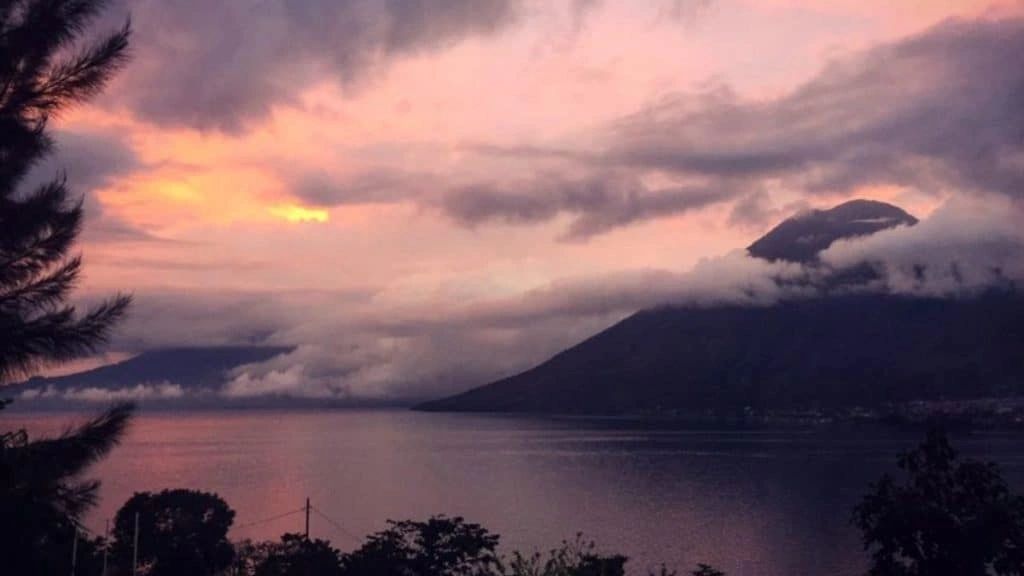
In the heart of Guatemala's Western Highlands lies the enigmatic Lake Atitlán, a natural wonder that seems to possess a magical quality.
Depending on the time of day and atmospheric conditions, the lake's waters can transform through a kaleidoscope of hues, ranging from deep azure to vibrant turquoise.
This phenomenon is caused by the refraction of light and the presence of calcium carbonate and other minerals in the water. It's a mesmerizing sight that has inspired countless artists and writers throughout history.
It's worth noting that Atitlán has faced real environmental pressure in recent years, including periodic algae blooms linked to agricultural runoff and wastewater. Local and international conservation groups are actively working to protect the lake's water quality, a good reminder that even the most stunning natural wonders need ongoing care to stay that way.
7. Chile is Home to The World's Driest Desert
Imagine a place so arid that some areas haven't seen a single drop of rain in centuries. Welcome to the Atacama Desert in northern Chile, widely considered the driest desert on Earth.
This otherworldly landscape features vast expanses of rust-colored sand dunes, towering rock formations, and an eerie silence that is both peaceful and unsettling.
Despite its harsh conditions, the Atacama Desert is home to a surprising array of resilient life forms, including hardy plants and microorganisms that have adapted to thrive in this extreme environment.
That same extreme dryness makes the Atacama one of the most scientifically valuable deserts on Earth. NASA has tested Mars rover prototypes here because the soil and atmospheric conditions are the closest thing on our planet to the Martian surface. It's also why the region is home to some of the world's most powerful observatories, including ALMA (Atacama Large Millimeter Array). With virtually no cloud cover or light pollution, astronomers get some of the clearest views of the night sky anywhere on Earth.
8. Venezuela Has a Mind-Bending Optical Illusion
In the heart of the Canaima National Park in Venezuela, visitors are treated to a mesmerizing optical illusion known as the "Tepuis."
These flat-topped mountains, formed by millions of years of erosion, appear to defy gravity with their sheer, vertical cliffs and tabletop summits.
As you gaze upon these geological wonders, your mind struggles to comprehend the sheer scale and surreal nature of these formations, creating a truly awe-inspiring experience.
9. Cuba is Home to The World's Smallest Bird
While Spain's Canary Islands are famous for their feathered inhabitants, Cuba boasts an even tinier avian resident, the Bee Hummingbird.
Measuring just 5 centimeters (2 inches) in length and weighing less than a dime, this diminutive bird is the smallest in the world.
Watching these tiny creatures flit from flower to flower, their wings beating at an astonishing rate, is a delightful sight that reminds us of the wonders that can be found in even the smallest packages.
10. Puerto Rico Has a Bioluminescent Bay
Imagine kayaking through waters that seem to glow with an otherworldly, ethereal light. This magical experience is a reality in Puerto Rico's Mosquito Bay, one of the world's brightest bioluminescent bays.
This phenomenon is caused by millions of microscopic dinoflagellates that emit a brilliant blue-green glow when the water is disturbed.
As you paddle through the bay, each stroke of your oar creates a dazzling display of shimmering light, making for an unforgettable and enchanting adventure.
If you're planning a visit, timing matters: the bioluminescence is most vivid on dark, moonless nights, so tour operators typically schedule trips around the new moon for maximum glow. Mosquito Bay is also a protected natural reserve, and local guides enforce rules like no swimming with sunscreen or insect repellent, since certain chemicals can harm the microorganisms responsible for the glow.
Best Spanish-Speaking Cities to Visit
1- Buenos Aires, Argentina - The "Paris of South America"
Buenos Aires is a city that effortlessly blends European sophistication with Latin American passion.
As you wander through the charming neighborhoods like La Boca and Palermo, you'll be struck by the city's vibrant street art, historic cafés, and grand architecture reminiscent of Paris.
Don't miss the opportunity to indulge in world-class steak and wine, catch a tango show, or simply lose yourself in the energy of this cosmopolitan metropolis.
2- Mexico City, Mexico - A Culinary and Cultural Mecca
Mexico City is a true feast for the senses. From the bustling street markets bursting with colorful handicrafts and tantalizing street food to the awe-inspiring pyramids of Teotihuacan and the world-renowned museums like the Museo Nacional de Antropología, this city offers an unparalleled immersion into Mexican culture and history.
Be sure to sample the diverse and mouthwatering cuisine, which has earned Mexico City a reputation as one of the world's top culinary destinations.
3- Havana, Cuba - A Timeless Treasure
Step back in time as you explore the vibrant streets of Havana, where classic American cars from the 1950s still cruise along the Malecón.
This city is a living museum, with its beautifully preserved colonial architecture, lively plazas, and the ever-present aroma of hand-rolled cigars.
Soak up the infectious rhythms of live music spilling out from every corner, and experience the warmth and resilience of the Cuban people.
4- Cartagena, Colombia - A Colorful Coastal Gem
Cartagena's enchanting old town, with its rainbow-hued colonial buildings and cobblestone streets, is a true feast for the eyes.
Stroll along the ancient city walls, explore the vibrant plazas, and indulge in fresh seafood and tropical cocktails.
This Caribbean jewel offers a perfect blend of history, culture, and beachside relaxation, making it a must-visit destination for those seeking an authentic Spanish-speaking experience.
5- Cusco, Peru - Gateway to the Inca Empire
Perched high in the Andes, the ancient city of Cusco is a captivating blend of Inca and Spanish colonial influences.
Wander through the narrow streets lined with intricately carved stone walls, marvel at the impressive ruins of Sacsayhuaman, and immerse yourself in the local indigenous culture.
Cusco is also the starting point for the iconic Inca Trail, leading adventurous travelers to the awe-inspiring citadel of Machu Picchu.
Ready to go from admiring these fun facts to actually understanding the language behind them? Whether you're planning a trip, reconnecting with family roots, or just love a good challenge, our Spanish classes in Sarasota meet you at your level and pace, with private, semi-private, and group options to fit your schedule.